Review: Daddy’s Little Hunting Buddy Graphic
As an embroidery designer who spends more time staring at digitized paths than I do sleeping, I have learned to be skeptical of cute concepts. The market is flooded with T-Shirt Designs that look charming on a screen but turn into a tangled mess of thread once they hit the hoop. However, when I pulled up the Daddy’s Little Hunting Buddy Graphic for a recent client project, my initial skepticism gave way to genuine appreciation for its layout and thematic clarity. This is not just another clipart dump; it is a cohesive visual story that translates surprisingly well from digital asset to stitched reality.
First Impressions: Mood and Visual Personality
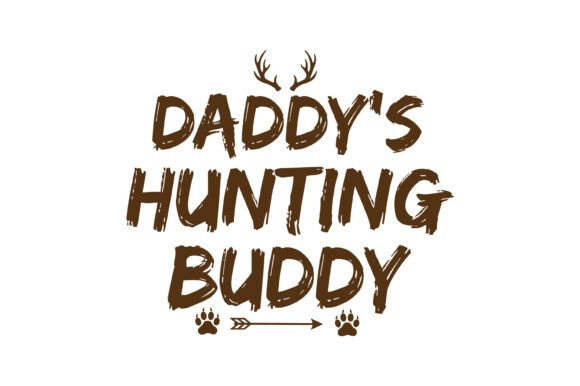
The first thing that strikes you about this design is its balanced composition. It combines rustic elements—antlers, arrows, and forest motifs—with a playful, affectionate typography that reads "Daddy’s Little Hunting Buddy." The mood is warm, outdoorsy, and distinctly familial. For a designer, the spacing between the graphical elements and the text is crucial. In many poorly constructed Graphics, the text feels slapped on top of the imagery, creating awkward negative space or overlapping lines that are impossible to stitch cleanly. Here, the integration feels intentional. The arrow acts as a visual anchor, guiding the eye through the antlers and into the text, creating a unified badge-like shape that is ideal for placement on garments.
Real-World Application: The Baby Sweatshirt Test
To truly evaluate a design, you must imagine it in use. I recently used this graphic for a custom order: a personalized baby sweatshirt for a client whose husband is an avid hunter. The goal was to create a personalized gift that felt rugged yet soft enough for an infant. The Daddy’s Little Hunting Buddy Graphic fit this brief perfectly. Because the design relies on bold shapes rather than microscopic details, it holds up well on the textured surface of fleece or cotton-blend sweatshirts.
When stitching on stretchy fabrics like sweatshirt material, stitch density becomes a primary concern. If a design is too dense, it pulls the fabric, causing puckering that ruins the finished product. While I cannot specify the exact stitch count without opening the specific embroidery file, the visual weight of this design suggests it was digitized with standard fill stitches and satin borders that should behave predictably. I paired it with earth-toned threads—olive green, burnt orange, and cream—to mimic the forest aesthetic described in the product details. The result was a professional-looking custom apparel piece that the customer loved for its clarity and emotional resonance.
Versatility Across Product Lines
Beyond baby clothes, this design has legs in various niches. For Etsy sellers and small shop product creators, versatility is key to maximizing return on investment. I can easily see this working as an embroidered patch for a dad’s canvas jacket or a sturdy tote bag. The tote bag design potential is particularly strong because the horizontal spread of the arrow and text utilizes the wide canvas area effectively.
For those running a craft business, consider using this for holiday merchandise. Holiday embroidery often leans heavily on snowflakes and reindeer, but a hunting-themed gift for Father’s Day or Christmas offers a unique angle for buyers looking for something specific to their family’s hobbies. It also works well for nursery decor, such as a pillow cover or a wall hanging, provided you scale it appropriately for the hoop size. The inclusion of formats like SVG, PDF, and PNG Transparent means you can also use this for printable mockup creation, allowing you to showcase the design on various products before you even stitch a single thread.
Technical Considerations and Potential Pitfalls
While the design is strong, it is not without its challenges. Experienced embroiderers know that what looks good in a digital embroidery file preview can fail on certain fabrics. Here are a few areas where you need to exercise caution:
- Fabric Texture and Color: The design features fine lines in the antlers and arrow fletching. On highly textured fabrics like terry cloth or loose-weave linen, these details may get lost. Always use a cut-away stabilizer to support the stitches and prevent distortion. Additionally, if you are stitching on dark fabric, ensure your thread colors have enough contrast. A dark brown thread on a black shirt will vanish.
- Small Hoop Sizes: If you are working with a 4x4 inch hoop, you may need to resize the design. Be careful not to shrink it so much that the text becomes illegible or the satin stitches become too narrow to cover the fabric properly. Tiny lettering is the enemy of clean embroidery.
- Curved Surfaces: Stitching this on a cap requires careful hooping. The arrow’s straight lines might warp if the fabric is not stabilized correctly on the curved brim. Test on a scrap piece of similar material first.
- Dense Stitch Areas: Check the overlap between the text and the graphical elements. If the digitizer has layered too many stitches in one spot, it can cause thread breaks or bird’s nests. Inspect the color sequence in your embroidery software before hitting start.
Enhancing Brand Consistency and Customer Trust
For commercial embroidery professionals, the quality of your design assets directly impacts your brand reputation. Using a well-balanced graphic like Daddy’s Little Hunting Buddy Graphic signals professionalism. It shows that you care about the aesthetic outcome, not just the speed of production. When customers receive a handmade product that looks crisp, centered, and thematically coherent, their trust in your small shop product line grows. This leads to repeat business and positive reviews, which are the lifeblood of any Etsy seller or independent maker.
Moreover, the availability of editable files like AI and EPS allows for minor customization. If a client wants to change the font or adjust the arrow’s direction to better fit their brand’s design assets, having these source files is invaluable. However, always confirm licensing terms before altering and reselling digital files. Most licenses allow for selling finished physical items, but redistributing the digital file itself is usually prohibited.
Practical Designer Notes for Best Results
Before you commit to a full production run, follow these steps to ensure success:
- Test on Scrap Fabric: Never stitch a new design directly on the final garment. Use a scrap piece of the same fabric and stabilizer combination to check for puckering or thread breaks.
- Check Thread Contrast: View your design in black and white on your computer screen. If the elements blend together, you need to choose thread colors with higher value contrast.
- Verify Hoop Size: Ensure the design dimensions fit comfortably within your hoop, leaving at least half an inch of margin on all sides.
- Inspect Small Details: Zoom in on the antlers and arrow tips. If the digitizing looks jagged or sparse, you may need to add underlay stitches or adjust the pull compensation.
- Confirm Licensing: Review the license included with the embroidery file to ensure you are compliant for commercial use.
In conclusion, the Daddy’s Little Hunting Buddy Graphic is a solid addition to any designer’s library. It bridges the gap between trendy outdoor aesthetics and heartfelt family sentiment. With proper attention to fabric choice, stabilization, and thread selection, it can elevate your embroidery project from a simple craft to a cherished keepsake. Whether you are creating baby embroidery for a new arrival or sweatshirt embroidery for a family reunion, this design offers the reliability and charm needed to satisfy discerning customers.